







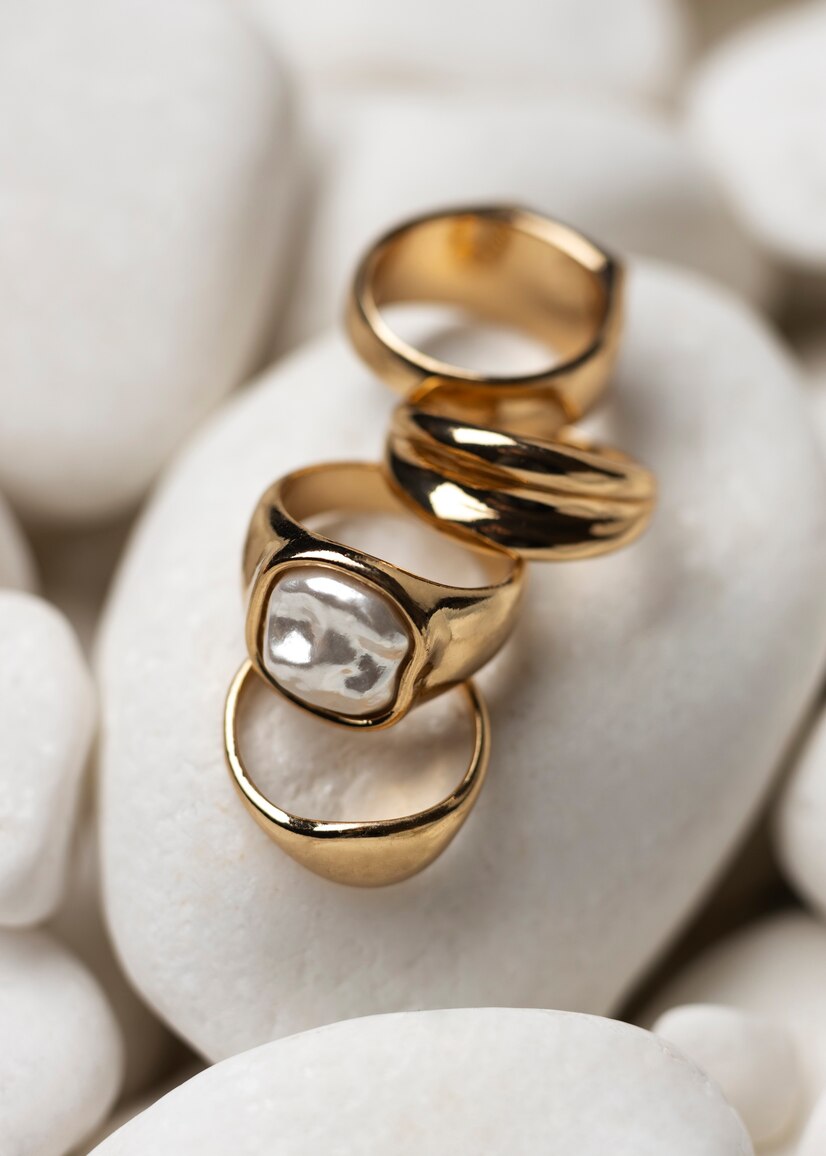
Guide for allergy sufferers
Nickel-free and hypoallergenic
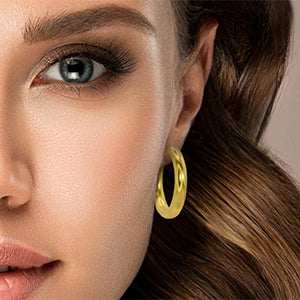
Nickel/cadmium allergy
- Nickel or cadmium allergies triggered by wearing jewelry are common and can cause symptoms such as swelling, redness, and itching.
- Nickel/cadmium is found in many pieces of jewelry and is released through sweat, which can cause an immune reaction.
- A nickel/cadmium allergy can be diagnosed by a dermatologist through a patch test. Symptoms usually occur locally, especially around earrings and piercings.
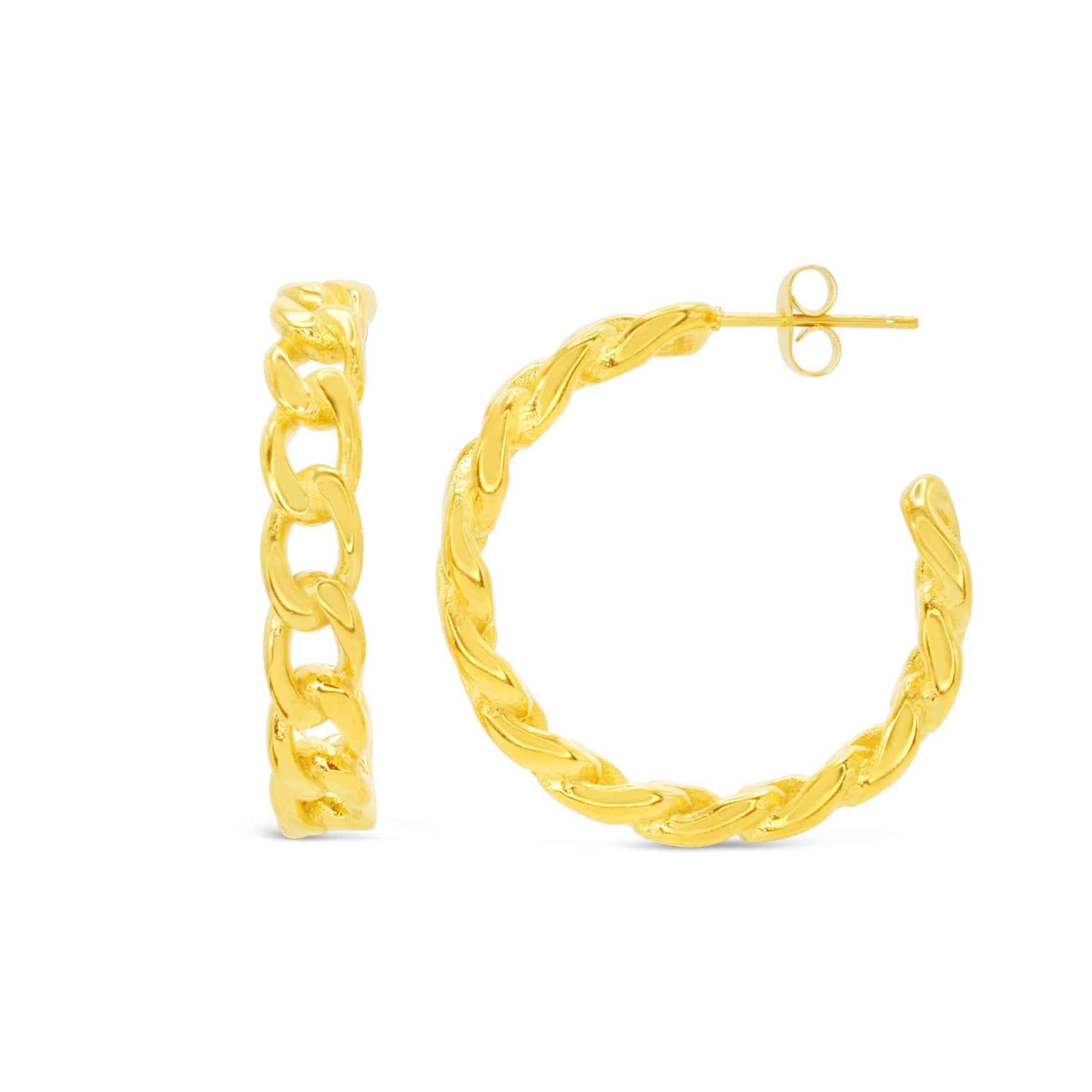
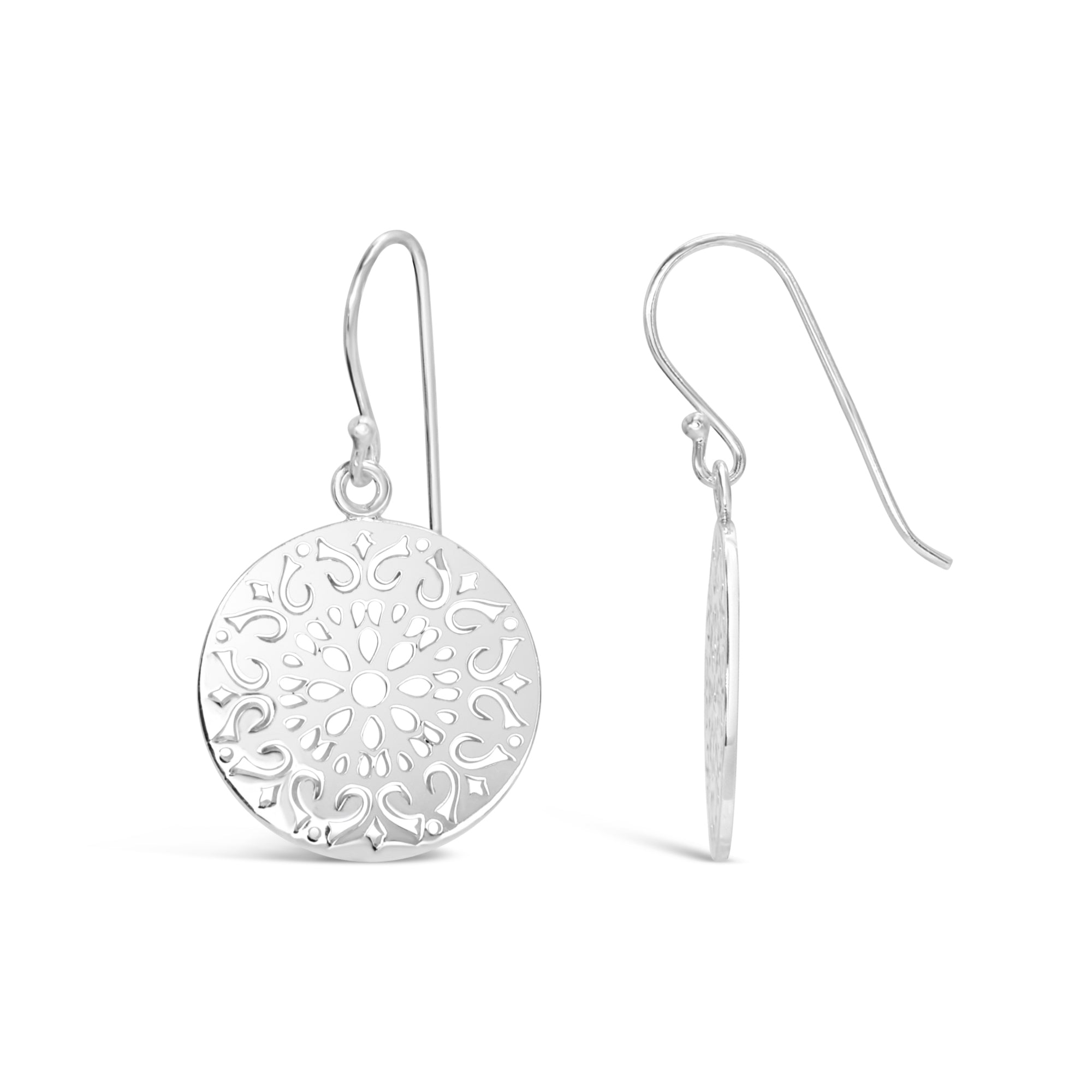
- For allergy sufferers, jewelry made from biocompatible materials such as surgical stainless steel , pure platinum, or pure gold is best. These do not trigger an immune reaction and are therefore particularly skin-friendly.
- Many people cannot wear jewelry without experiencing unpleasant symptoms such as swelling, redness, itching, or even slight bleeding. This is often dismissed as a "normal reaction," but is often a nickel allergy.
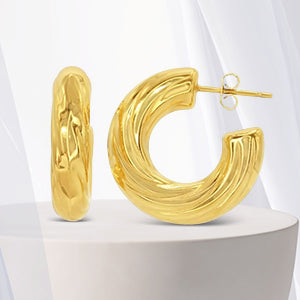
What exactly is a nickel/cadmium allergy?
- A nickel/cadmium allergy occurs when the immune system overreacts to nickel in jewelry, everyday objects, or even food. The body mistakenly classifies nickel as harmful and triggers an immune response. Although nickel is an essential trace element for the human body, excessive intake can be problematic.
- A so-called contact allergy, nickel allergy is often triggered by wearing jewelry. But why does this happen? Slightly acidic sweat dissolves nickel ions from the metal, which can penetrate the skin and trigger an immune reaction.
- To reduce the risk of nickel allergy, an EU regulation limiting the release of nickel has been in place since 1994. This regulation does not measure the nickel content in the material, but rather the amount actually released. The limit for earrings and piercings is 0.2 μg/cm²/week, while for necklaces, bracelets, and rings it is 0.5 μg/cm²/week.
- However, these guidelines are not always sufficient for sensitive skin. Studies by Stiftung Ökotest (Foundation for Organic Testing) show that the limits are regularly exceeded – even by well-known jewelry brands. Therefore, it is especially important to pay attention to high-quality, nickel-free materials and not rely solely on manufacturer's specifications.

Biocompatibility - for maximum tolerability
- Surgical stainless steel is not only hypoallergenic, but also biocompatible. But what does that mean exactly? Hypoallergenic means that a material is less allergenic (hypo). Less than what? That's not clearly defined – and that's precisely why we haven't settled for that alone when it comes to earrings and piercings.
- Biocompatibility, on the other hand, means that a material does not cause adverse reactions when in direct contact with living tissue—making it particularly skin-friendly. Gold and platinum also have similar properties, but they are in a completely different price range.
- Our surgical stainless steel jewelry comes exclusively from ISO 9001:2015-certified production (tested quality management system) as well as REACH and RoHS-certified manufacturing processes.
Your satisfaction is our promise.
We fully stand behind every one of our products and offer you first-class customer service. Whether you have questions about care, repairs, or custom orders, our team is always available to ensure your ARS-ARGENTI experience is unforgettable.